Deep Tech Fermentation · Since 2025
Geumsan ginseng, Cambodian palm sap, Jeju seaweed. We turn microbial time into numbers — pH, pressure, ultrasound — so the same taste can be reproduced anywhere.
View products B2B inquiry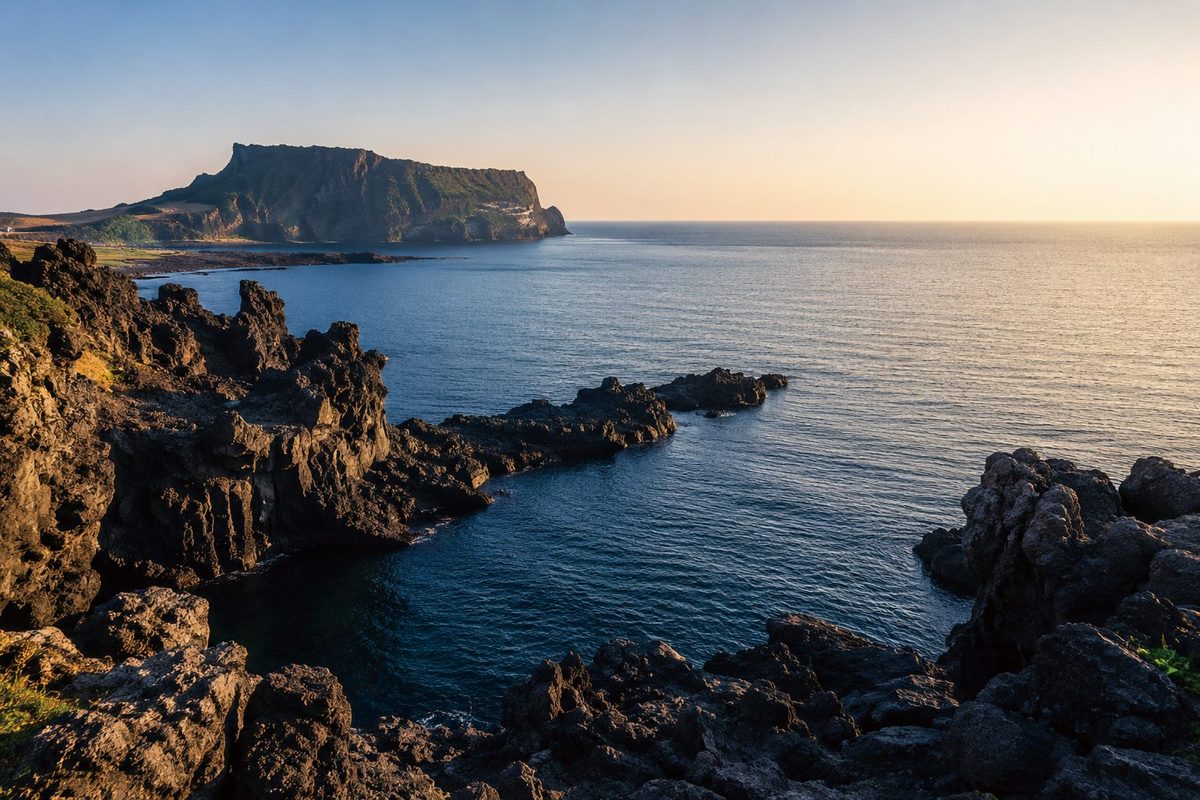
01 — Products
One microbial process, three substrates. Each product is defined by data rather than by a recipe handed down.
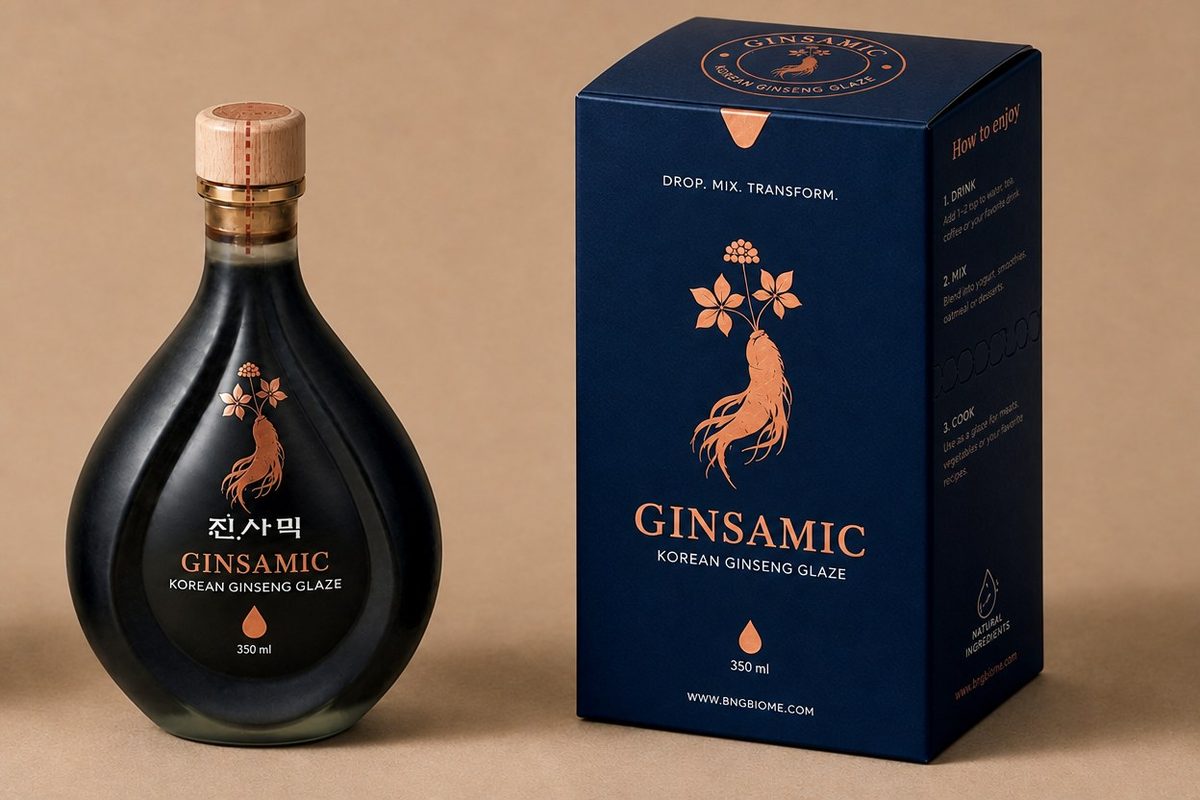
Ginsenosides are broken down into lower molecular forms by microbial metabolism and combined with palm-sap amino acids to build deep umami. A Korean category of its own — not a substitute for balsamic.

Measured caffeine 409.2 mg/kg on the roasted bean (0.041%) — below the 0.1% decaffeinated threshold. Green beans undergo enzyme pre-treatment and anaerobic immersion before low-temperature drying. The ginseng works as a fermentation medium; the spent ginseng is separated out and discarded before roasting.
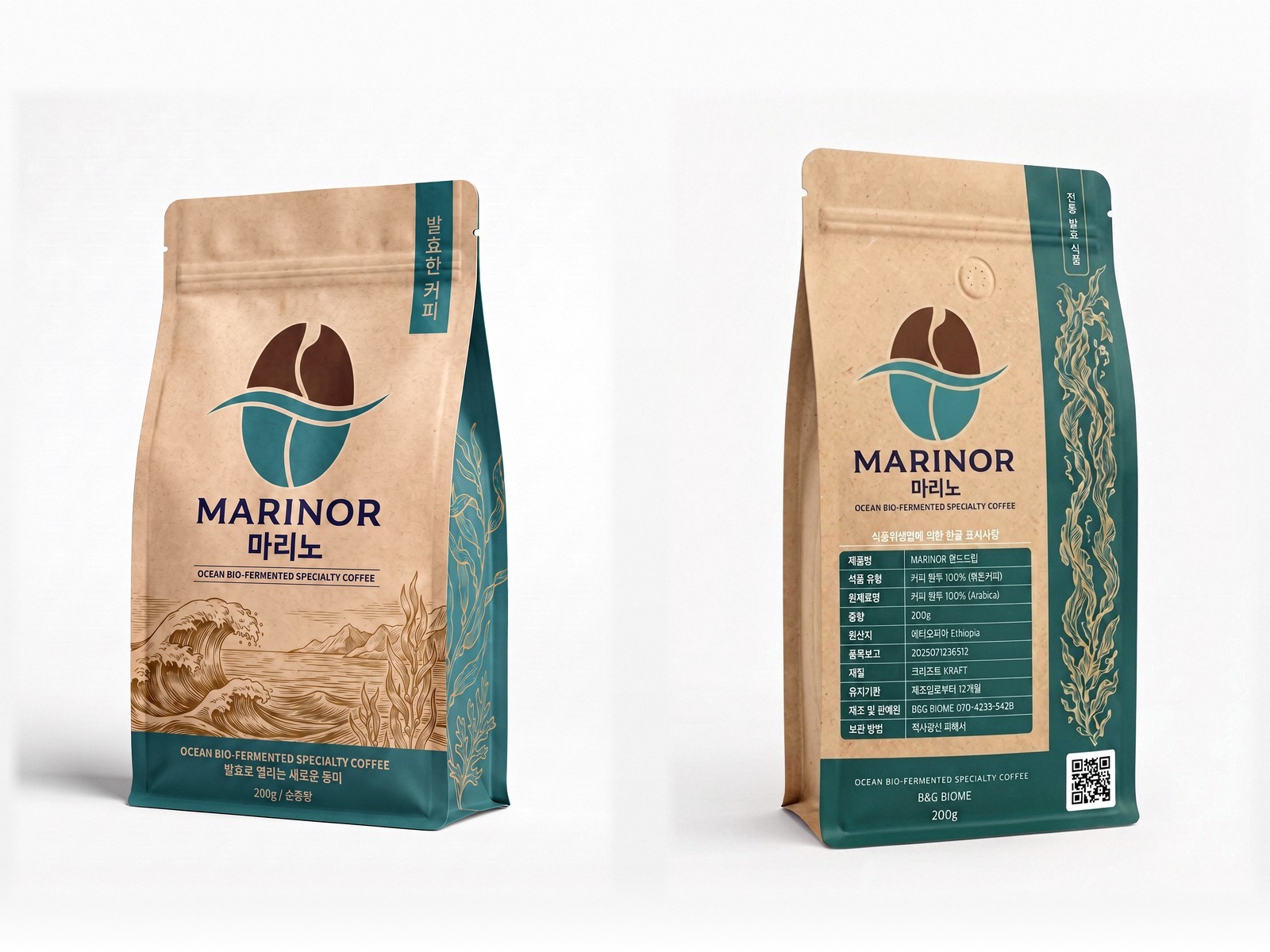
Ecklonia cava from Jeju is used as the fermentation medium. Caffeine is measured on the finished roasted product — never inferred from green-bean data.
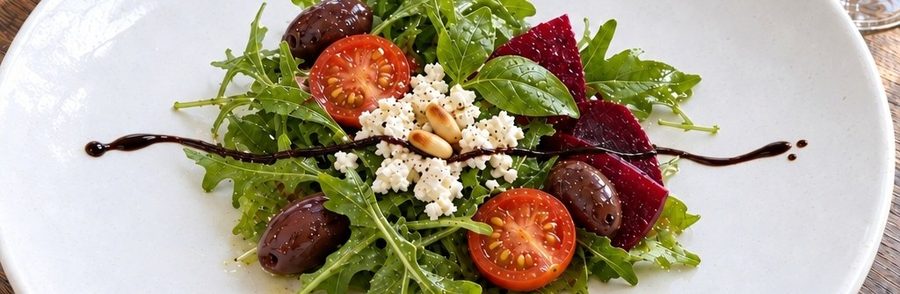
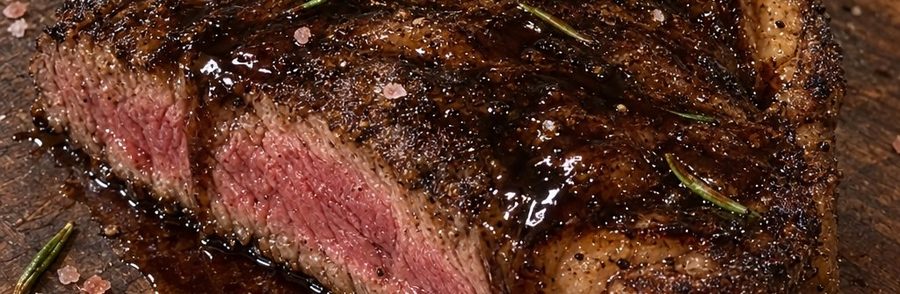
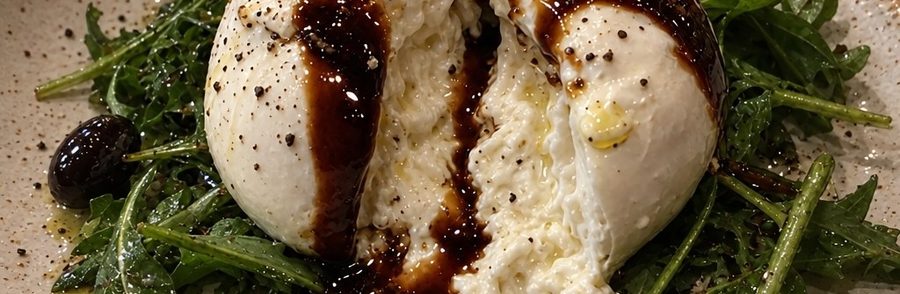
Three ways chefs use it. All three are GINSAMIC — the sauce, not the coffee.
02 — Process
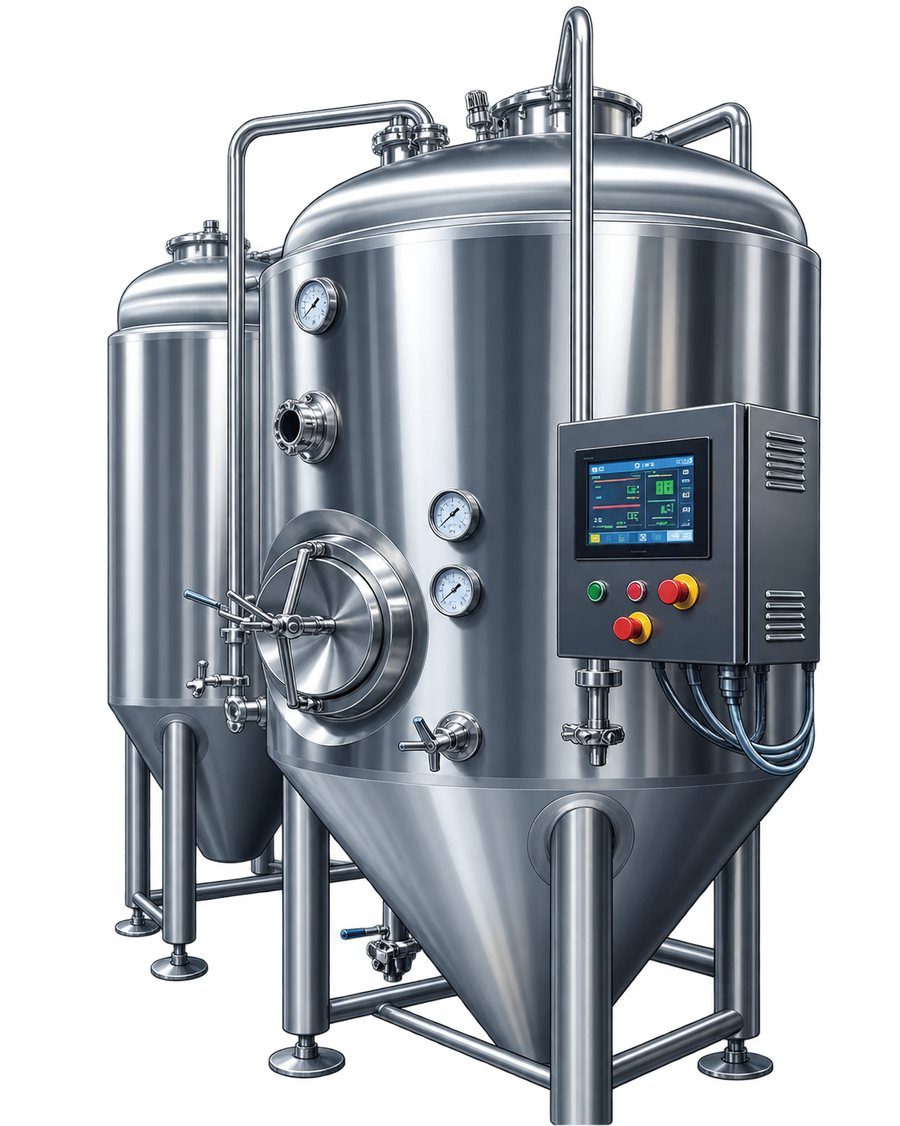
A trained palate is converted into set points. When the number is reached, the process stops — regardless of who is at the tank.
Bean cell walls are softened so the substrate penetrates the interior, not just the surface.
Controlled temperature and humidity for 52–62 hours, ended by a visual endpoint rather than a fixed clock.
40 kHz ultrasound under 2.4 bar pressure, in an oxygen-free reactor at 18–20 °C.
35 °C for about 72 hours, then a pressurized double-sealed rest before roasting.
03 — Verification
All figures below are measured values from accredited third-party testing, not internal estimates.
| Residual caffeine | 182.1 mg/kg (0.0182%) |
|---|---|
| Caffeine reduction | 96.78% against control |
| Labeling criterion | MFDS decaffeinated labeling — current rule (≥90% caffeine removed) satisfied; from 1 Jan 2028 (≤0.1% residual) also satisfied at 0.022% |
| Test report | KIB 261020-001 · Korea Institute of Food Certification |
| Product report no. | 202507120453 (MFDS item manufacturing report) |
| Process end point | pH 4.0 |
04 — Company
BNG BIOME was founded in February 2025 and is based in the Industry–Academic Cooperation Building at Joongbu University in Geumsan-gun — Korea's ginseng capital. We design and build our own koji rooms and anaerobic ultrasound reactors rather than buying turnkey lines.
| Company | BNG BIOME Co., Ltd. (주)비엔지바이옴 |
|---|---|
| Founded | 28 February 2025 |
| Representative | Young-joo Kim (김영주), CEO |
| Location | Room 101, Industry–Academic Cooperation Bldg., Joongbu University, 201 Daehak-ro, Chubu-myeon, Geumsan-gun, Chungcheongnam-do, Korea |
| Facilities | Dedicated koji fermentation room · 4 × 500 L anaerobic ultrasound reactors (40 kHz, 18–20 °C) · 30-tray low-temperature dryer |
| Patent | Application 10-2025-0072107 — natural ginseng balsamic vinegar from ginseng and palm sap |
05 — Exhibition
5th Korea–Vietnam Friendship Street Festival, as part of the 2026 Geumsan-gun Vietnam consumer promotion program. B2B buyer meetings on 3–4 December, public festival 5–6 December.
06 — Contact
Bean supply, OEM production, overseas distribution and exhibition meetings all go through the same desk. We send samples together with test reports.
| mirinfo40@gmail.com | |
| Address | Room 101, Industry–Academic Cooperation Bldg., Joongbu University, 201 Daehak-ro, Chubu-myeon, Geumsan-gun, Chungcheongnam-do, Korea |
 BNG BIOME